Who Writes the Rules for Your Patch? A Resident’s Guide to Neighbourhood Plans

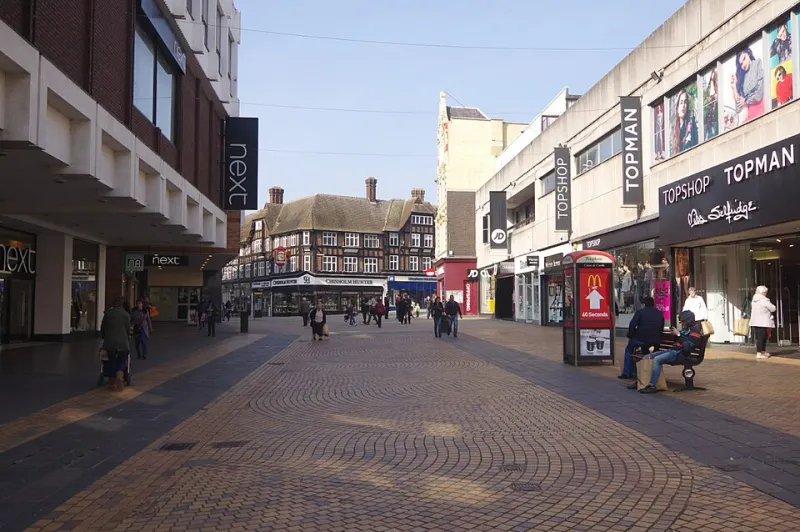
Photo by Photo by Dan Stephens on Unsplash on Unsplash
There is a planning document that can matter as much as the local plan, and most people have never opened it. It is not secret. It is not buried in a basement. It is a neighbourhood plan — and if your area has one, or is writing one, it can shape what gets built, how it looks and what gets protected.
In England, communities have been able to prepare neighbourhood plans since the Localism Act 2011. The basic route has not changed much. As of 2026, the same core steps apply: designate an area, draft a plan, consult, get it examined, vote on it, and — if it passes — adopt it. The details are dull. The consequences are not.
What a neighbourhood plan actually is
A neighbourhood plan is a planning document prepared by a qualifying body — usually a parish or town council, or a neighbourhood forum in an unparished area. It sets out local planning policies for a designated neighbourhood area. That might cover design, housing mix, green spaces, employment land, shopfronts, heritage or the sort of small sites that should come forward.
It does not grant planning permission. It is not a veto. But once adopted, it becomes part of the development plan, and decision-makers must take it into account when they determine planning applications. That is the important bit. It is more than a wishlist. It is less than a blank cheque.
The limit lines
This is where expectations often go wrong. A neighbourhood plan cannot override the strategic policies in the local plan — the big housing numbers, the major infrastructure decisions, the broad shape of where growth goes. It cannot contradict national planning policy. It must be in general conformity with the strategic local plan.
So it cannot ban all development. It cannot stop a site that the local plan has already allocated. It cannot say no to anything the wider planning system says yes to. What it can do is add local detail: set design codes, identify smaller sites, protect local green spaces that meet the criteria, and say what sort of housing mix or shopfront treatment is expected.
If a neighbourhood plan clashes with the strategic local plan, the independent examiner is likely to say so. That is why the first job is not writing your dream plan. It is reading the local plan you already have.
From first meeting to referendum
The process usually runs like this. First, find out whether a neighbourhood area has been designated and who the qualifying body is. Your local planning authority should have a neighbourhood planning page. If there is no plan yet, ask whether one is being discussed.
Second, get in early. Most groups run open meetings or a steering group. The early stage is where the scope is set — which sites are looked at, which issues are treated as priorities, what evidence gets gathered. Turning up after the draft is written is like joining a football match at the final whistle.
Third, the draft plan is prepared and consulted on. The formal public consultation is often called the Regulation 14 stage. It usually runs for at least six weeks. This is the biggest single chance for residents to comment before the plan is submitted.
Fourth, the plan goes to the local planning authority. There is another public consultation — often called the Regulation 16 stage — and then an independent examiner looks at whether the plan meets the legal tests. The examiner can recommend changes, or say the plan should not go forward.
Fifth, if the plan passes examination, there is a local referendum. More than half of those voting need to vote in favour. There is no minimum turnout. If it passes, the council adopts the plan and it becomes part of the development plan.
Where your voice counts — and where it doesn’t
Early is best. The scope, the site options and the evidence base are all easier to influence than a polished draft. Formal consultation is the next best moment. Make specific comments. Point to policies. Say what you think should change and why. A hundred variations of ‘we don’t like it’ are less useful than one careful paragraph about a site assessment or a design policy.
At examination, the focus is on legal compliance and soundness. The examiner is not running a popularity contest. They are testing whether the plan meets the basic conditions. Comments that engage with those tests carry more weight than general objections.
After adoption, challenge is limited. You can seek judicial review of a legal flaw, but the deadlines are tight and the grounds are narrow. A referendum is not a rehearsal. It is the moment the plan gets its democratic mandate.
How to challenge one before it is locked in
Read the draft against the local plan and national policy. Ask whether the evidence is up to date. Check whether sites have been assessed fairly. Look at whether local green space designations meet the criteria. Ask whether the design policies are clear enough to be used in a planning committee.
Then make your comments in the right place, at the right stage. If you think a policy is unsound, say which basic condition it fails and why. If you think a site has been missed, bring the evidence. If you think the consultation was too narrow, raise it before the examiner, not after the referendum.
The developer test
When a planning application lands, the neighbourhood plan is one of the documents that Decision-makers must weigh. If the plan has policies on design, housing mix or green space, those policies can shape the scheme. They can support conditions, trigger negotiations or give residents a firmer footing at committee.
But a neighbourhood plan is not a force field. A scheme that complies with the plan can still be approved. The plan shapes development. It rarely stops it altogether.
So if you want a say in the rules for your patch, find out whether a neighbourhood plan is being written. Go to the meeting. Read the draft. Respond while the ink is still wet. The document may be dull. The decisions it shapes will not be.