The Bench, the Order and the Ban: How a PSPO Reshapes Your High Street
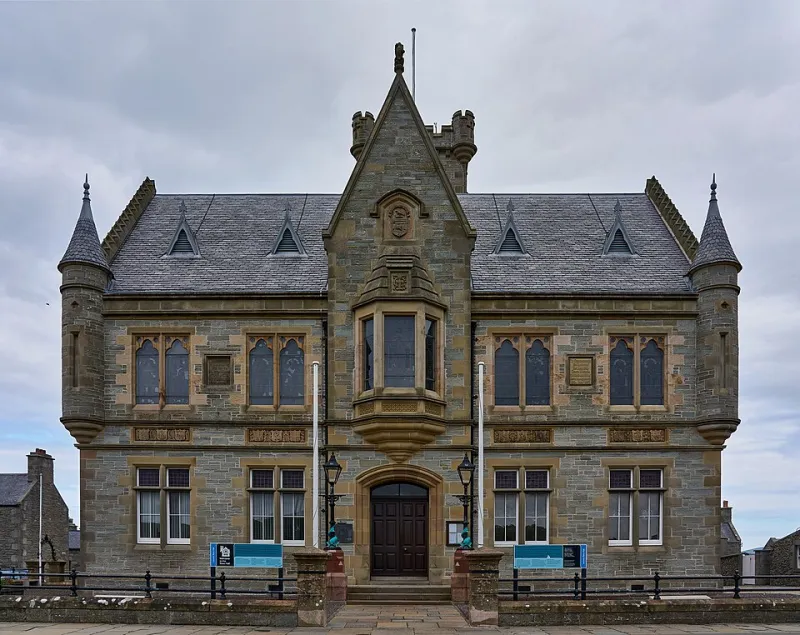
Photo: Stephen McKay , CC BY-SA 2.0, via Wikimedia Commons
Walk through a town centre in 2026 and you may spot a laminated notice on a lamppost, a new sign on a bench, or a line in the council's consultation hub that mentions a Public Spaces Protection Order. It sounds technical. It is not. A PSPO can make sitting, drinking, loitering or gathering in a defined public place unlawful, and it can hand enforcement officers the power to issue a £100 fixed penalty notice. The bench is not usually the target. The behaviour around it is. But when an order is drawn widely, the bench becomes part of the ban.
What a PSPO actually is
A Public Spaces Protection Order is made under the Anti-social Behaviour, Crime and Policing Act 2014. It is not a byelaw. It is not a criminal behaviour order. It is a local order that applies to a specific public place and can prohibit specified activities, or require specified things to be done. Councils use them for street drinking, dog control, begging, busking, skateboarding, feeding gulls, and sometimes for loitering or sitting in particular zones. The order must include a map or description of the area and a list of what is banned. It can last for up to three years and can be varied, extended or discharged.
The legal test is not simply that people find something annoying. The council must be satisfied on reasonable grounds that activities carried on in the public place have had, or are likely to have, a detrimental effect on the quality of life of those in the locality. It must also be satisfied that the activities are, or are likely to be, unreasonable. Then it must decide that the restrictions are justified. Those are three separate questions, and a good consultation response will treat them separately.
The evidence test
This is where residents should look closely. A PSPO should be built on evidence, not just a handful of complaints. That evidence might include police incident logs, antisocial behaviour reports, ward walkabouts, surveys, council officer observations, or data from local businesses. It should be specific about time, place and behaviour. It should explain why existing powers are not enough. It should also include an equality impact assessment, because an order that sweeps up rough sleepers, disabled people, young people or people with mental health problems can create serious equality issues.
Red flags include an order that lists a long menu of banned activities with no clear link to evidence, a map that covers half the town centre without explanation, a consultation that asks only whether you support 'making the area safer', or an equality assessment that is missing altogether. If the only evidence is a few emails from a business forum and a vague claim about 'rising antisocial behaviour', ask for the baseline data. Ask what the behaviour was, when it happened, who reported it, and what alternative measures were tried.
Where the consultation hides
Councils must consult the chief officer of police and appropriate community representatives before making a PSPO. Many councils also run a public consultation, but it does not always land on the radar. It may sit on the council's consultation page for six weeks, appear in a committee report, or be advertised in a local newspaper's public notices section. Town and parish councils may know about it. So may the local police and crime commissioner's office.
If you want to respond, find the draft order and the map first. Read the schedule of prohibited activities carefully. Then respond with specifics: which part of the order you object to, which behaviour you think is already covered by existing powers, and what effect the order would have on you or people you know. General comments are easy to file away. Detailed comments are harder to ignore.
Ask how the order will be enforced, who will enforce it, and what happens to people who cannot pay a fixed penalty. Ask whether the council has considered a narrower order, a public space design change, more lighting, outreach work, or a different location. Ask for the equality impact assessment and the evidence pack. If the council says the consultation is not statutory, ask why it is not seeking residents' views on a power that can criminalise ordinary behaviour.
How to push back
There are several routes. The first is to ask the council to vary or discharge the order, or to review it once it is in force. The second is to raise the issue with your ward councillor and ask for it to go to scrutiny. The third is a legal challenge by judicial review in the High Court, usually within three months of the decision. Judicial review is not an appeal on the merits. It looks at whether the council acted lawfully, followed the right process, and had evidence to support its decision. It is not a cheap or quick option, and it is not the right tool for every disagreement.
The fourth is the Local Government and Social Care Ombudsman, which can investigate maladministration, though it will not usually second-guess the council's political judgment. The fifth is public pressure: local media, community groups, and the council's own democratic processes. If an order is already in force, check the map and the schedule. If you are stopped, ask which part of the order applies and request the evidence. If you receive a fixed penalty notice, seek advice quickly. This is not legal advice, but it is a map of the paper trail.
The bench test
A PSPO can be a useful tool. It can tackle persistent street drinking that intimidates shoppers, or dog control problems in a popular park. But it can also be a blunt instrument that makes visible poverty or teenage gathering disappear from the high street without solving anything. The bench is a good test. If the order bans sitting on it, ask why. If the answer is 'because people congregate there', ask what those people are doing, who is affected, and whether the order is the least restrictive way to deal with it. Residents have a right to ask harder questions before a sign goes up.