The Mic Is Not a Megaphone: How to Make Public Question Time Work for You

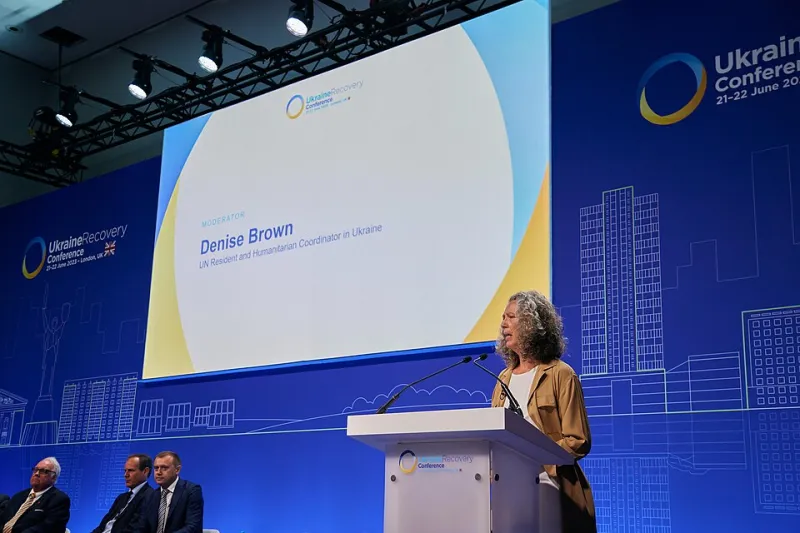
Photo: Virtual-Pano, CC BY-SA 4.0, via Wikimedia Commons
Public question time has a reassuring name. It sounds like an open door: turn up, take the mic, say your piece. In practice it is a tightly managed item on a council agenda, often squeezed into fifteen or twenty minutes, and the difference between a useful answer and a polite brush-off usually comes down to preparation — and timing.
This is not a reason to avoid it. It is a reason to use it properly. Think of it as a formal request for information or explanation, made in public, with a paper trail. It is not a speech, a protest, or a substitutes bench for a councillor debate.
First, find the rulebook
There is no single national format for public question time. Full council, cabinet, planning committee and overview and scrutiny meetings can all have different rules, and councils vary in how generous or restrictive they are. The place to look is the council's constitution and the standing orders or procedure rules for the meeting you are attending.
You will usually find the basics there: how many clear working days' notice you need to give, whether questions must be submitted in writing, any word limit, whether you must live or work in the area, and how long you get to ask. Some councils ask for questions several days ahead; others allow questions on the night at committee. Some publish a form; others just want an email to democratic services. Do not assume the rules you have heard about at one town hall apply at another.
A practical tip: ring or email democratic services and ask two things — where public question time sits on the agenda, and what the deadline is for the next meeting. Ask them to confirm it in writing. That gives you a dated record if there is a dispute later.
The question is not the speech
The most common mistake is treating the slot as a chance to deliver a three-minute preamble and then tack a question on the end. Chairs often cut in before you get there. Even sympathetic ones have a meeting to run.
Aim for one issue per question. State it briefly, then ask for something specific: a timeline, a report, a review, a clarification of policy, or an explanation of a decision. Instead of asking whether the council cares about the closure of a local service, ask what assessment was made before the decision and when it will be published. Instead of asking why the buses are bad, ask which officer or body is responsible for the route review and when the next update will come to a public meeting.
If you want a commitment, ask for one in plain terms. If you want a fact, ask for the document. The more answerable the question, the harder it is to bat away.
What the chair can do — and what they cannot
The chair controls the meeting. In most councils that means they can decide the order of questions, group similar ones, set time limits, allow or refuse a supplementary question, and ask for an answer to be given in writing. They can rule out questions that are abusive, irrelevant to the council's functions, or a repeat of one already asked. They can move the meeting on.
What they cannot normally do is turn question time into a debate, force a councillor to give a policy commitment on the spot, or invent a rule that is not in the procedure. If you think a question has been wrongly refused, you can ask politely for the rule being applied to be identified. Keep it short and calm. A procedural argument from the floor rarely wins the room, but a clear request for the relevant standing order can be useful for the record.
Remember that officers and councillors answer in different ways. Officers usually give factual or technical responses. Councillors give political ones. Neither is obliged to agree with you, and neither is there to be cross-examined for ten minutes.
Why the running order decides your airtime
Public question time may be near the start of the agenda, but not always. Some councils put it after presentations, after a lengthy budget report, or at a point set by the chair. If a meeting runs late, the slot can shrink. If an item is taken out of order, your carefully planned question may land at a different moment than you expected.
This matters because the answer often depends on what has already happened in the room. Ask about a report before it is introduced and you may be told that officers will address it later. Ask after the decision has been taken and you may be told the matter is now settled. The sweet spot is usually just before the relevant item is discussed, when the question can still shape the conversation without interrupting it.
Check the agenda pack in advance. Look at item numbers, officer reports and any predicted timings. Arrive early. If you can, speak to democratic services beforehand and ask where your question is likely to fall. And if you are attending a planning or licensing committee, check separately: public speaking there often has its own rules and is not the same as public question time at full council.
Supplementary questions: the second bite
The supplementary is where many residents either rescue a vague answer or lose the room. In most places it is at the chair's discretion, and it should arise from the answer you have just heard rather than being a fresh question. Prepare one short follow-up in advance. If the answer was that a review is underway, ask when it will report and whether it will be public. If the answer was that funding is not available, ask what the estimated cost is and who made that assessment.
If the chair says no, do not argue the point at length. Ask instead whether the follow-up can be answered in writing. That is often more useful than a live exchange anyway.
When the answer arrives after the meeting
Written answers are common, especially for detailed or technical questions. They are not a dismissal — but they need chasing. Ask for the answer to be recorded in the minutes, note who promised it, and diarise a follow-up. Check the published minutes when they appear. If an answer promised action, ask for the date it will be reported back.
If no answer arrives, contact democratic services in writing and copy in your local councillor. Keep it factual: the date you submitted the question, the meeting, what was promised, and what you are still waiting for. That paper trail is often more powerful than a second appearance at the mic.
Public question time is not a megaphone. It is a small, imperfect opening in the formal business of the council. Used well — one clear question, submitted on time, aimed at the right moment in the agenda — it can still get an answer onto the record and a issue onto the table.