The Pint, the Petition and the Paperwork: What Listing Your Local Actually Buys You

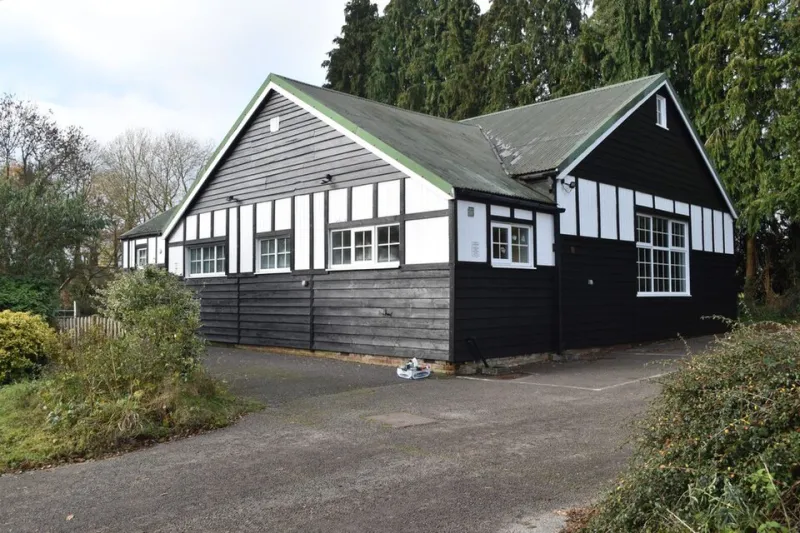
Photo: Doktorbees, CC BY-SA 4.0, via Wikimedia Commons
Every campaign starts in the same room. Somebody has heard that the pub is going, or the last shop on the parade has had an offer, and someone else — usually the person who has been to the most council meetings — says the words “Asset of Community Value” as though producing a key from a pocket.
It is a genuinely useful tool. It is also the point at which a lot of well-meaning campaigns start mistaking a listing for a rescue. So this is the honest version: what the register does, what it never does, and how to spend your energy if you decide to go ahead anyway.
A register is not a rescue
Under the Localism Act 2011, a community group can ask the council to list a building or piece of land as an Asset of Community Value. If the council agrees, the site goes on a public register, stays there for five years, and — if the owner ever decides to sell — the community gets a window in which to put together a bid.
Notice what is missing from that sentence. There is no power to stop a sale, no right to buy, no discount, and no obligation on the owner to sell at all. A listing is a bookmark, not a deed. Anyone who tells a public meeting otherwise is storing up trouble for the campaign later.
What the council is actually being asked to decide
The test is short and deceptively roomy. The council must be satisfied that:
- the site’s current use furthers the social wellbeing or social interests of the local community — or that it did so in the recent past; and
- it is realistic to think that use will continue, or that the recent past use can come back within five years.
That phrase “social wellbeing or social interests” is doing a lot of work. It is broader than “it’s a nice old building” and narrower than “people would rather it stayed a pub”. A village hall, a community shop, a working men’s club, an allotment site, a pub that runs a darts league, a lunch club and a Tuesday quiz — these are the easy cases. A struggling pub with no trade and no function beyond being old is a hard one, and councils do turn nominations down.
The nomination itself needs to be more than a petition. Expect to supply the address and boundaries, who owns it, what the site is used for now, who uses it, what evidence you have of community value, why you think the use is realistic going forward, and the identity of the nominating group. Photographs, a written survey, quotes from users, minutes of a public meeting and references to the neighbourhood plan all help. Parish and town councils can nominate in their own right, and often do it well.
Eight weeks, then five years
The council has eight weeks to decide, though it can extend that by agreement. It can list, refuse, or list only part of the site — redrawing the boundary to take in the pub but not the car park, or the hall but not the strip of land earmarked for housing.
If it refuses, the site goes on a separate register of unsuccessful nominations. There is an appeal route to the First-tier Tribunal, open to both the owner and the nominator, and it is worth knowing that the owner has a route too: listing can be challenged, and sometimes is.
Successful listings last five years. After that, re-nominate if the campaign is still live.
The bit everyone remembers: six weeks, then six months
The moratorium is the famous part, and it only starts when the owner tells the council they intend to make a “relevant disposal” — broadly, selling the freehold or granting a lease of 25 years or more. Short leases, transfers between companies in the same group and gifts are treated differently.
When that notice lands, the council tells the nominating group, and the clock starts:
- Six weeks. A community group writes to the council saying it wants to be treated as a potential bidder. Groups here means an eligible body — a parish council, a charity, a company limited by guarantee, a community interest company, a co-operative society. Not an informal WhatsApp group, which is why the legal form matters and why you should sort it out in month one, not week five.
- Six months. If that request arrives in time, the full moratorium runs. During it, the owner can only sell to a community interest group, with a handful of exemptions, and the community has half a year to raise money, commission a valuation and put a bid together.
Then it ends. On day one after the moratorium, the owner can sell to whoever they like, at whatever price the market will bear, or take the property off the market entirely.
What the moratorium cannot do
It cannot force a sale, set a price, or give you first refusal in any meaningful sense. It cannot stop a change of use or a demolition if planning permission is granted, and it offers no shelter from permitted development rights. It does not put any charge on the land and it does not bind a future owner beyond their own obligation to notify the council if they want to sell.
The six months is also short. A condition survey, a business plan, a community share offer, a lender’s due diligence and a negotiation with a pub company do not comfortably fit into twenty-six weeks. Campaigns that succeed have usually been raising money and taking advice long before anyone served a sale notice — sometimes for years.
Where listing does earn its keep
Not nothing. Far from it.
A listing is a material consideration in planning decisions and appeals, even if it is rarely decisive on its own. It is powerful evidence in a funding bid. It puts the site into the council’s own evidence base, which shapes the next local plan. It gives campaigners a seat at a table where they would otherwise be writing letters. And it changes the conversation with an owner: a group that has done the paperwork, formed a company and can talk credibly about a lease is a different proposition from a group that has done none of those things.
Councillors notice the register too. It is, quietly, a political fact about a place, recorded in public.
If you are going ahead, a few honest notes
- Form the legal entity early. The six-week deadline is not the moment to discover you are an unincorporated association.
- Evidence the use, not the affection. Who used it, when, for what, and what would be lost. “Forty people at the Tuesday lunch club” beats “much loved local landmark”.
- Check what funding currently exists rather than what existed in the case study you read. Community buyout funding has opened and closed repeatedly over the past decade; assume nothing and check the council’s own community team first.
- Talk to the owner before, not after. Some of the best outcomes are a community lease or a purchase negotiated quietly, with the listing as leverage rather than a weapon.
- Be willing to hear “no”. Some sites are not viable, and no register changes a business model that never worked. A campaign that cannot say so loses credibility with the officers whose goodwill it needs.
Listing your local is worth doing. It is one of the few localism powers that a small group of residents can actually use without needing permission from anyone. Just go in with your eyes open: the register buys you time, evidence and a place in the conversation. It does not buy you the building.