The Village Vote That Binds Nobody: A Second Look at the Parish Poll
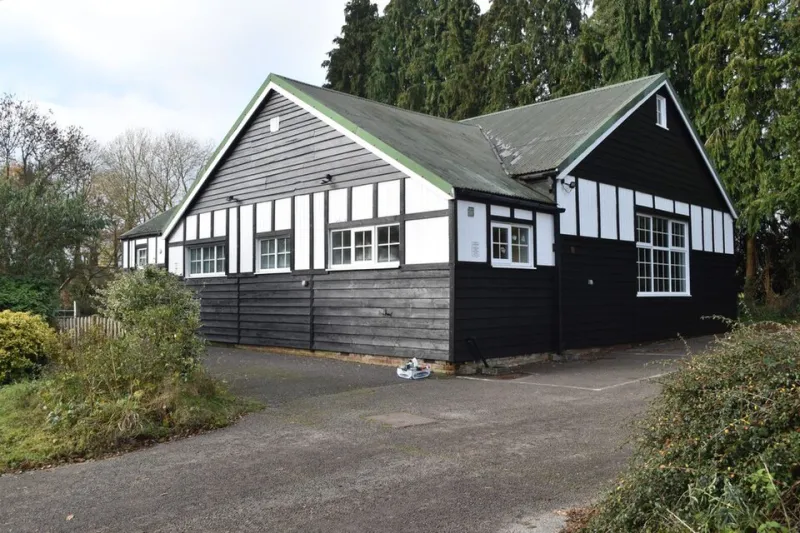
Photo: David Martin , CC BY-SA 2.0, via Wikimedia Commons
There is a piece of democratic equipment still in working order that predates almost everything else in local government: the parish poll. It has no glossy branding, no digital portal, and no obvious constituency among the people who write about politics. But it exists, it is usable, and it does something no petition or consultation can quite replicate. It puts a question to a public vote.
A very old piece of kit
The mechanism sits in the Local Government Act 1972 and the rules that followed it. Put crudely: a parish meeting can be asked to decide something, and if enough electors in the room disagree with the answer, or want the question put to the wider village, they can demand a poll. The poll is then arranged by the principal authority — the district or unitary council — and paid for by the parish.
It is worth pausing on how unusual that is. Almost every other form of local engagement is advisory by design: a consultation, a listening exercise, a survey on the council website. The parish poll is not a consultation. It is an actual election, with ballot papers, tellers and a declared result, held on a single question. It just happens that the result does not compel anyone to do anything.
How the trigger works
The numbers are small. The usual shorthand is ten electors, though the precise test compares that figure with the number of people actually in the room, and you should check the current position with your principal authority rather than trust a summary — including this one.
Two practical consequences follow. First, you need a parish meeting to be happening, or you need to get one convened. The annual parish meeting, held in spring, is the obvious opportunity; the agenda is set locally and residents can usually ask for items. Second, the demand has to be made properly, in the room, by people who are on the electoral roll for that parish. Turning up matters.
After that the timetable tightens considerably. The poll must be arranged within a set period, and the polling hours are famously unforgiving — a short window in the late afternoon and early evening rather than the long day you get at a general election. If you want people to vote, you will be doing your own getting-out-the-vote operation, on foot, in the dark.
The bill lands with the parish
This is the part that concentrates minds in village halls. A parish poll costs money — printing, staff, rooms — and the parish precept, meaning council tax payers in that parish, picks up the tab. In a small parish that can be a visible sum.
That fact is used, reasonably enough, as an argument for restraint. It is also used, less reasonably, as a reason to make the process as difficult as possible. Expect a clerk to explain the cost and the rules carefully and at length. Take the explanation seriously, and then decide whether the question is worth the money.
What it can and cannot do
The result is not binding. Say that plainly, because it is the crux of the whole thing. A parish poll delivers a mandate in the loosest sense — a documented, counted expression of local opinion that a council cannot pretend it never heard. It does not overturn a planning permission, stop a statutory service change, or force a district council to reopen a library.
What it does is create a fact. "Two hundred and forty people voted, and three-quarters of them said no" is a harder sentence to answer than "we received some objections". It also generates a public meeting, a ballot, a result night, and usually a page or two in the local paper. For an issue that the relevant authority has been quietly managing into oblivion, that can be enough.
The other limit is scope. The poll has to be on a question the parish meeting can properly debate. Grand national policy, matters outside the parish's interest, or anything already settled by statute are unlikely to fly. Narrow and local works: a parking charge, a right of way, a village green, the future of a hall.
Why councils dread them and residents keep reaching for them
From the inside, a parish poll looks like an unpredictable, poorly attended, mildly embarrassing event that costs money and produces a headline. From the outside, it looks like one of the very few occasions when a resident's voice is counted rather than noted.
Both readings are fair. The turnout is often low — sometimes painfully so — and a determined campaign can produce a result that reflects effort rather than breadth of feeling. That is a genuine weakness. But every engagement tool has that weakness. A consultation where 60 people respond to a district-wide plan is no more representative; it just has better paperwork.
The parish poll's virtue is that it is honest about what it is. It does not pretend to be statistically robust. It is a lever, and it is available to anyone who can find ten people and a room.
If you are thinking of trying it
Read the actual rules from your principal authority, not a summary. Ask the parish clerk, in writing, what the process and the likely cost would be. Find out when the next parish meeting is and how to get your item on the agenda. Line up your ten names in advance and make sure they are registered. And be honest with your neighbours about what a win would mean — a mandate, not a decision.
The parish poll is a blunt instrument that has survived for more than fifty years because it does one thing no other mechanism does: it counts. In an era of listening exercises and engagement dashboards, that is worth something. Even when nobody is obliged to listen to the answer.